

English roulette is one of the most exciting games you can find in the world of casinos. The best part? It has simple rules that you can easily learn and master. Understanding these rules and game components can help to enhance your gaming experience.
Also, it will provide you with the necessary tools you’ll need to navigate this thrilling game of chance effectively. So, how do you play English Roulette? Let’s learn more below:

What is English Roulette
English Roulette is a popular variant of the classic roulette game, and it was invented by Blaise Pascal in the 17th century. This game uses a similar wheel with 37 pockets, like the classic roulette–numbered 0-36.
The game layout is very straightforward. Its numbers and betting areas are organized for easier navigation. This makes English Roulette ideal for both beginners and experienced players.
Understanding the Game Components
In order to know how to play English roulette, you need to understand all its game components, since this will help to increase your chances of winning. Read on to learn more about this game’s components;
The Wheel
The wheel of English Roulette is a central feature of the game. As stated above, the English Roulette wheel has 37 pockets–numbered 0-36. Each of these pockets alternates between black and red, except for the 0 pocket which has green.
Another thing to note is that it has a single zero. It ensures that players have better odds compared to the American Roulette which has an additional double zero pocket (00).
The Table Layout
The table layout of English roulette is an essential element of the game. It provides players with a structured area for placing bets. The primary sections of the table feature numbers arranged in a grid format, including 0-36.
As stated above, the featured numbers will alternate in color between red & black, with the zero being green. What’s more, the table is organized in three columns and twelve rows.
Also, it has various betting areas where you can place inside bets and outside bets.
In addition, the table has sections for “announced” or “called” bets. These areas allow players to place bets on specific number sequences or patterns around the wheels.
Basic Rules and Gameplay
To play English roulette well, you must know all the rules and gameplay involved. These rules include the following.
- Players must predict the number or color where the ball will land after the wheel is spun.
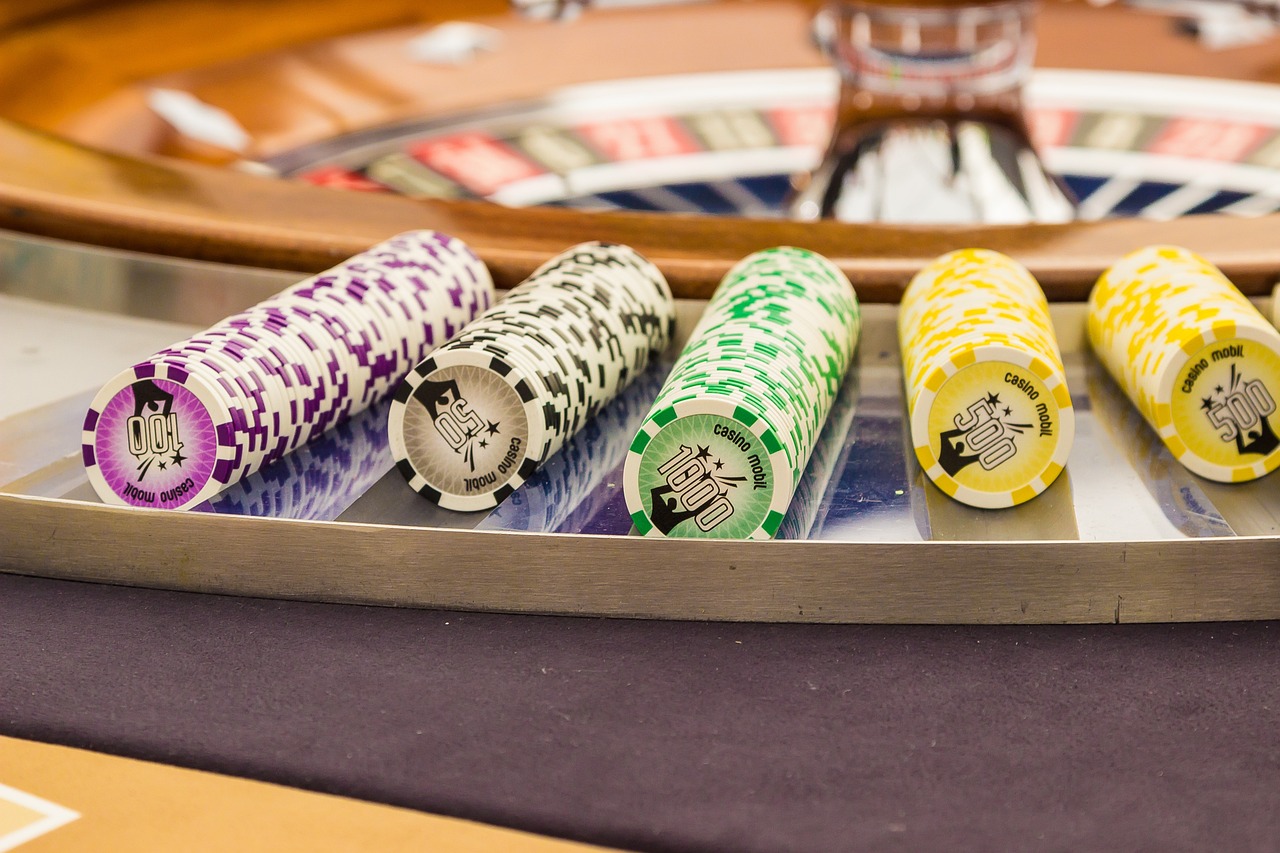
- Players must take a seat at the table and purchase colored chips from the croupier.
- When the croupier announces “place your bets” you should start placing your chips on the betting layout.
- The betting period will end when the croupier announces “No more bets”.
- Once the ball comes to rest, the winning number and color will be revealed. Then., the croupier will collect the losing bets and pay out winnings based on the types of bets placed.
- If the ball lands on zero, players with even-money bets will lose half their wager instead of losing it all.
READ ALSO : What is the difference between English and French roulette?
Types of Bets
English Roulette will allow you to make different types of bets and they include the following:
Inside Bets
This involves betting on specific numbers or small groups. You can make:
- A bet on one number (Straight bet)
- A wager covering two adjacent numbers (Split bets)
- A bet on three consecutive numbers (Street bets)
- A bet covering four numbers that meet at one corner (Corner bets)
Outside bets
These types of bets cover larger groups and they often have a lower payout compared to the inside bets. In the outside bets, you can make;
- A bet on one of the three vertical columns (Column bets)
- A bet on one of three groups of twelve numbers (Dozen bets)
Advanced Betting Strategies
Advanced betting strategies can help to enhance your gameplay. Some of the most popular strategies in English Roulette include the Martingale. In this strategy, players can double their bet after each loss.
Also, there is the Fibonacci, which follows the Fibonacci sequence of numbers to manage risk. This strategy is less aggressive than Martingale. It allows for controlled betting increases.
Casino Etiquette and Protocol
Proper etiquette is vital while playing English Roulette. As a player, you should wait for the dealer’s signal before placing bets. Also, you should avoid touching chips after the wheels begin to spin.
Another thing that you should do is to follow the dealer’s instructions closely and respect other players and the dealer.
Tips for Success
The top three tips for success in English Roulette include the following:
- Begin playing with outside bets as they have better odds
- Familiarize yourself with the wheel & table layout to place bets confidently
- Use betting strategies cautiously. Also, keep in mind that no strategy will guarantee you a win.
Conclusion
English Roulette is a very straightforward game. As long as you know the game’s components, rules, types of bets, and gameplay you can play. Remember that as you play the English Roulette, do it for entertainment instead of a way of making money.